
 United States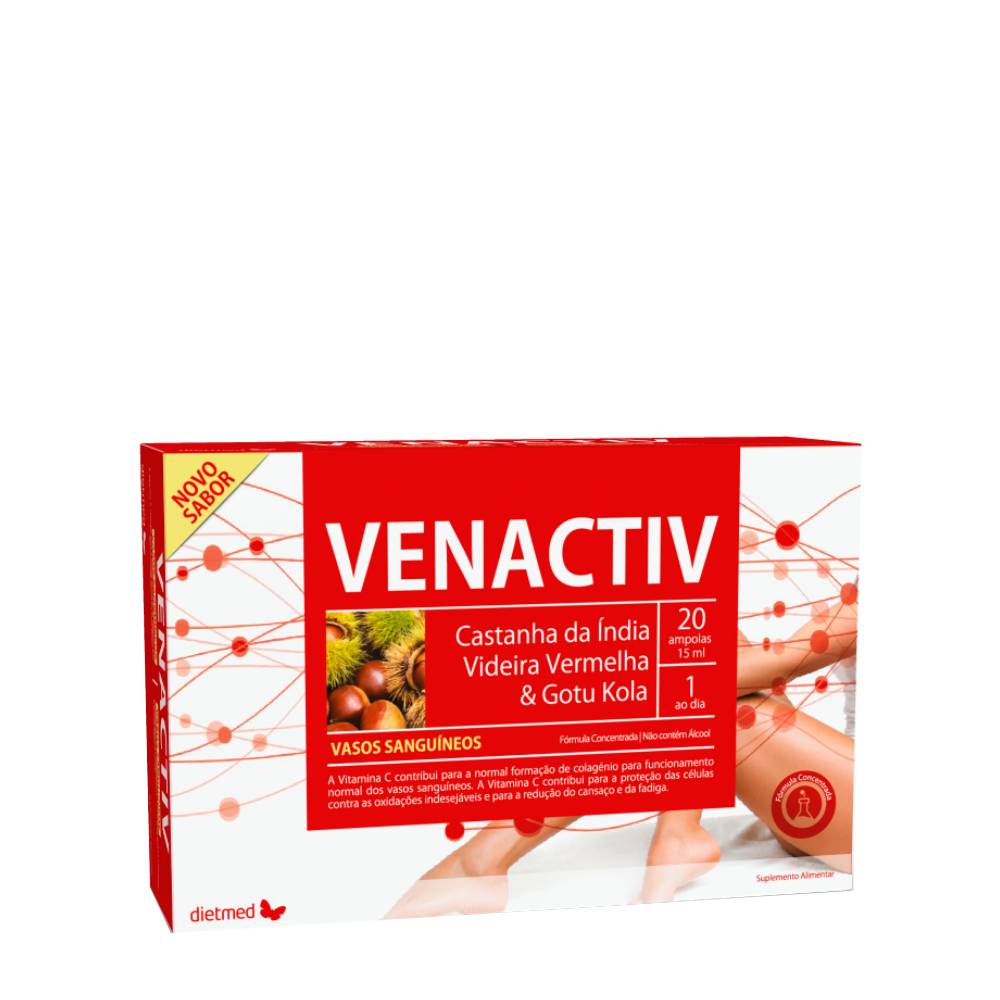
Description
HORSE CHESTNUT
Its Latin name is Aesculus hippocastanum L. A tree native to southwestern Europe (Caucasus) and northern Greece, it prefers dry soils and is widespread in temperate regions. It is widely used as an ornamental tree. It belongs to the Hippocastanaceae family and the leaves, bark and seeds (horse chestnut) are used. The bark is made up of hydroxycoumarin heterosides (esculoside and fraxoside), flavonoids, triterpenic saponosides, catechuic tannins, leucoanthocyanosides, oligosaccharides and phytosterols. The leaves are made up of hydroxycoumarin heterosides (esculoside, escopoletoside and fraxoside), flavonoids, tannins, leucoanthocyanosides, traces of escin and phytosterols. The seeds (horse chestnut) are made up of flavonoids, hydroxycoumarins, triterpenic saponosides (escin), catechuic tannins, pectin, mucilage, fatty oil and carbohydrates.
It has the following properties:
Increases capillary resistance and has venotonic properties;
Anti-inflammatory action, reducing capillary permeability and fragility;
Useful in chronic venous insufficiency;
In case of tired legs;
Treatment of varicose veins;
In case of hemorrhoids;
Externally, for muscle pain, neuralgia and varicose veins.
ASIAN SPARK
Its Latin name is Centella asiatica. Native to India and the South of the USA, but distributed in the Indian Ocean, from Madagascar to Indonesia, in Australia and South Africa. It prefers tropical and subtropical swampy regions and riverbanks. It belongs to the Apiaceae (Compost) family and the aerial parts are used. It consists of triterpenic saponosides (asiaticoside and centelloside), essential oil, tannins, alkaloids, sterols, flavonol heterosides and polyynes. It has the following properties:
Re-epithelializing action;
In chronic venous insufficiency;
Anti-cellulite and anti-wrinkle (action on collagen synthesis);
Wound healing;
Treatment of varicose veins;
In cases of anxiety, it has psychotropic effects;
Anal fissures;
Diuretic.
RED VINE
Its Latin name is Vitis vinifera L. A perennial plant native to southern Europe and western Asia, it is cultivated in all temperate and warm regions. It belongs to the Vitaceae family. The leaves, seeds and oil extracted from the seeds are used. The leaves contain tannins (oligomeric procyanidins), flavonoids (glucosylated derivatives of campferol and quercetin), anthocyanidins and stilbenes (resveratrol and viniferins). The seeds are rich in oil, remicellulose and procyanidins. The oil in the seeds contains unsaturated and saturated fatty acids, phytosterols and tocopherols.
Due to their composition, the leaves and seeds of the vine have the following properties:
Useful in chronic venous insufficiency;
In case of tired legs;
Useful for edema;
Treatment of varicose veins;
Useful in cases of capillary fragility;
Useful for hemorrhoids;
Venous tonic.
The oil from the seeds has the following properties:
Prevention of atherosclerosis;
In case of hyperlipidemia;
Antioxidant.
Benefits
For tired, heavy legs.
Activates venous circulation.
Promotes elasticity and flexibility of blood vessels.
How to take
Take 1 ampoule a day, preferably after breakfast.
Composition
Horse Chestnut (fruit extract containing at least 10% aescin) - 400mg.
Red Vine (seed extract containing at least 95% leucoanthocyanidins) - 200mg.
Gotu Kola (leaf extract containing at least 20% asiaticosides) - 200mg.
Ruscus (root extract containing at least 20% ruscogenin) - 50mg.
Precautions
Not recommended for children under 10 years of age.
In some individuals, it may cause temporary nausea and stomach discomfort.
Should not be used by people with liver problems or kidney failure.
Do not use during pregnancy or lactation due to the presence of horse chestnut.

21.52€ Ex Tax: 21.52€
22.76€ Ex Tax: 22.76€
21.80€ Ex Tax: 21.80€
21.02€ Ex Tax: 21.02€
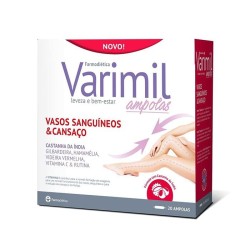
25.59€ Ex Tax: 25.59€
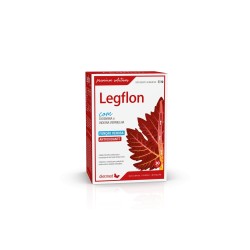
17.38€ Ex Tax: 17.38€